

Table of Contents
ToggleDinosaurs are a fascinating topic. From the towering T-Rex to the swift Velociraptor, these creatures have captured human imagination for centuries. But among the many questions that arise about them, one often goes unnoticed, do dinosaurs have ears? We see them in movies roaring, communicating, and even responding to sound. But without visible ears like humans or many animals today, how exactly did they hear?
A Quick Look at Hearing in Dinosaurs
Before we get into deep details, let’s take a look at some quick stats related to dinosaur hearing. Below is a comparative table showing how some prehistoric creatures might have heard compared to modern animals.
| Creature | Visible Ears? | Hearing Range (Estimated) | Method of Sound Reception |
| T-Rex | No | 50 – 3000 Hz | Inner ear structures |
| Velociraptor | No | 100 – 5000 Hz | Air and ground vibrations |
| Triceratops | No | 200 – 2500 Hz | Inner ear bones |
| Modern Birds | Yes (tiny) | 100 – 8000 Hz | External openings & bones |
| Humans | Yes | 20 – 20000 Hz | Outer, middle, inner ear |
This table makes it clear, dinosaurs didnot have ears like us, but that does not mean they were deaf. Their hearing abilities were shaped by their anatomy, much like modern reptiles and birds.
Dinosaurs Had Ears, Just Not Like Ours
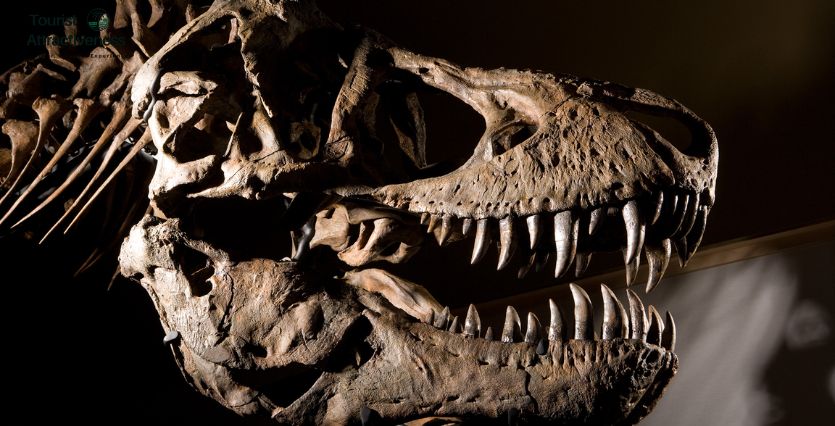
Unlike mammals that have external ear flaps (pinnae), dinosaurs relied on ear openings located on the sides of their heads. These were often hidden under feathers or skin folds, making them hard to spot. But they were there!
- The ear openings led to an inner ear, which was responsible for processing sound.
- Since they didn’t have external structures to funnel sound, they relied more on vibrations and low-frequency noises.
- Just like modern-day reptiles and birds, their hearing was directional; meaning they could sense where sounds were coming from with decent accuracy.
How Good Was Their Hearing?
Hearing abilities varied widely among different dinosaur species. Predatory dinosaurs like the Tyrannosaurus rex needed sharp hearing to detect prey from a distance. On the other hand, plant-eating dinosaurs like the Brachiosaurus relied more on low-frequency sounds to communicate over long distances.
Let’s consider some interesting facts that influenced their hearing:
1. Size of the Inner Ear
The inner ear contains a structure called the cochlea, which helps in detecting sound frequencies.
- Raptors had longer cochleas, meaning they could hear higher-pitched sounds.
- Large dinosaurs, like sauropods, had shorter cochleas, making them more sensitive to deep, low-frequency sounds.
2. Skull Structure
- Dinosaurs had hollow skulls with air pockets that might have helped in sound resonance.
- Some species had large head crests or frills, which may have played a role in amplifying sounds.
3. Connection to Modern Birds
Since birds evolved from theropod dinosaurs, their ear structure gives clues about how dinosaurs might have heard. Birds have no external ears, yet they hear very well; proving that pinnae aren’t necessary for advanced hearing.
Could Dinosaurs Communicate with Sound?
Absolutely. Fossil evidence suggests that many dinosaurs had the ability to vocalize.
- Hollow crests on Hadrosaurs: Scientists believe they used these to produce deep, resonating calls to communicate over long distances.
- Foot stomping & low rumbles: Just like modern elephants, some dinosaurs may have used ground vibrations to send signals.
- Hissing, roaring, and grunts: While Hollywood often exaggerates dinosaur sounds, it is believed they could produce deep growls and hisses to warn others or attract mates.
Did They Hear as Well as Humans?
Dinosaurs likely had good but different hearing compared to humans. They lacked sensitivity to high frequencies like us but were excellent at picking up low-frequency rumbles. This would have helped them detect distant predators, approaching herds, or even changes in the environment.
| Feature | Dinosaurs | Humans |
| External Ears | No | Yes |
| Hearing Range | 50 – 5000 Hz | 20 – 20000 Hz |
| Sound Direction | Good, via skull shape | Excellent, via pinnae |
| Low-Frequency Detection | Very Strong | Moderate |
Also Read: What Dinosaur Has 500 Teeth?
Nature Finds a Way
So, did dinosaurs have ears? Yes, but not in the way most people imagine. Instead of external ear structures, they relied on hidden ear openings, powerful inner ear mechanisms, and their connection to modern birds to perceive the world of sound. Their hearing played a crucial role in survival, whether for hunting, communication, or avoiding predators. So next time you picture a roaring dinosaur, remember its ears may not be visible, but they were definitely listening!